Portfolio — RetailorAI
Shopping that starts with a photo
Retailor is an AI-driven social shopping concept: Reverse Image Search finds products from photos, a fashion social network turns discovery into community, and AR try-on closes the confidence gap — Pinterest meets Amazon, designed mobile-first from zero to one, and shipped as a working prototype.
Studio start-up. A start-up of my practice: conceived, designed and built as my own product, not client work.
The experience
Street to checkout, in seven scenes
The full loop the product is built around: see something you love, search it with a photo, share the find, try it on in AR, and buy — each scene rendered from the final designs. Click any scene to view it full size.
Try it yourself
Open the working prototype
I rebuilt the designs above as real, tappable code — browse the shoppable feed, search with a photo, try pieces on, and check out, screen by screen.
Mobile designs
The final screens, on device
Fourteen final mobile designs across the social feed, shoppable posts, AI size suggestions, product tagging, AR try-on, and the integrated support system. Click any render to view it full size.
The origin
Born from enterprise retail
In e-commerce work for Audi, Louis Vuitton, and Toyota, I grew fascinated with the next generation of online shopping. The vision sharpened during conversations with Macy's, and I compiled it into a named concept — Retailor — where I led strategy, final visual design, and branding.
Objectives
Three jobs to do
- 01
Streamline product discovery. Reverse Image Search lets users identify products effortlessly through photos.
- 02
Foster community engagement. A social network that encourages sharing and discovering fashion.
- 03
Enhance the experience. A mobile-first platform aligned with how people actually shop.
The approach
Five systems, one loop
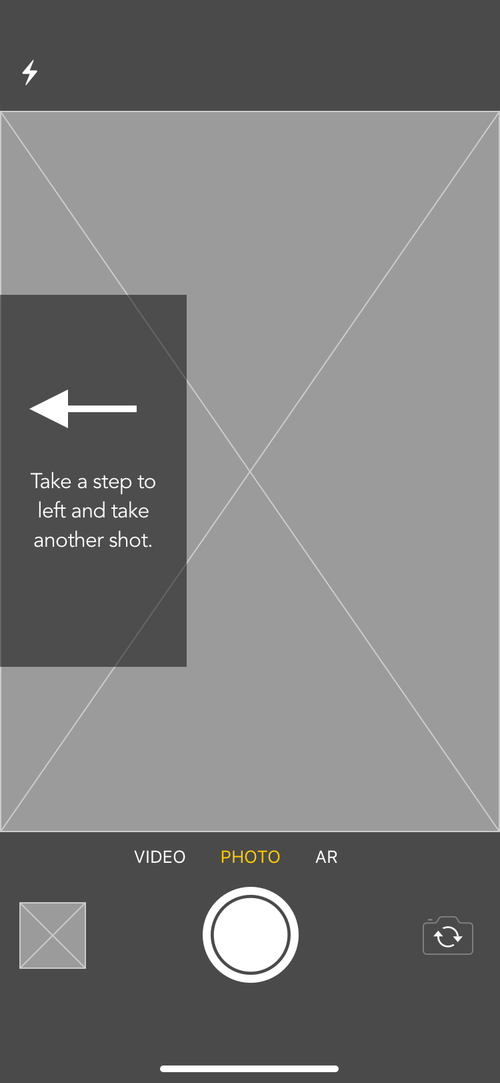
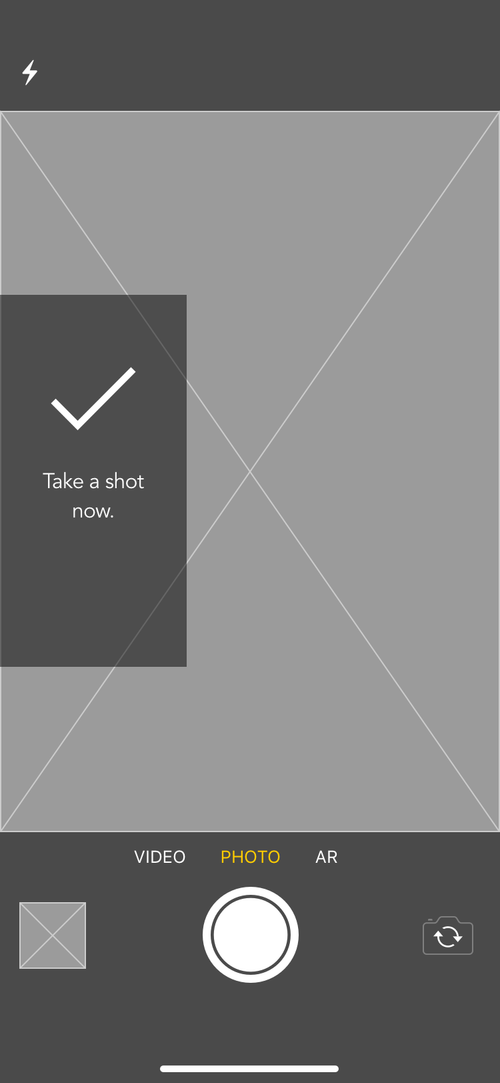
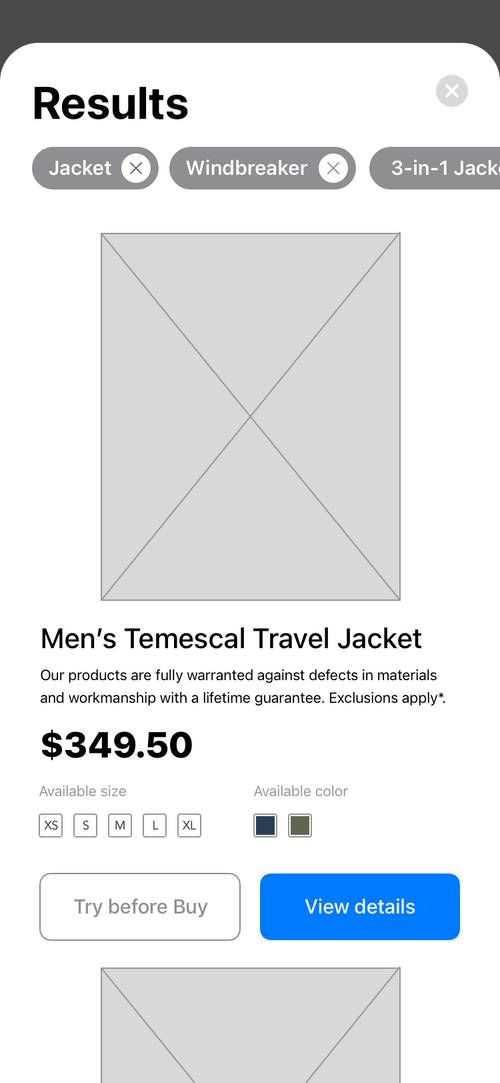
Reverse Image Search. Snap a photo of a desired item and the AI engine matches it against the catalog — built for the visual way people shop: see it out with friends, capture it, find it later.
Social shopping platform. Searches and purchases can be shared publicly, creating a feed of fashion inspiration with follows, likes, and DMs — simply put, Pinterest meets Amazon.
Leveraging influencers. Influencers share their finds and connect with followers; Retailor benefits from their reach in traffic and sales.
AR — try before you buy. Users upload a photo of themselves and AR overlays items onto their persona — visualizing the purchase and attacking the online-returns problem.
Integrated support loop. A virtual assistant plus live chat eases adoption — and what the support team learns feeds back into the RIS algorithms.
AR try-before-you-buy, the concept film — the same scene the homepage reel runs.
Process
Paper first, pixels later
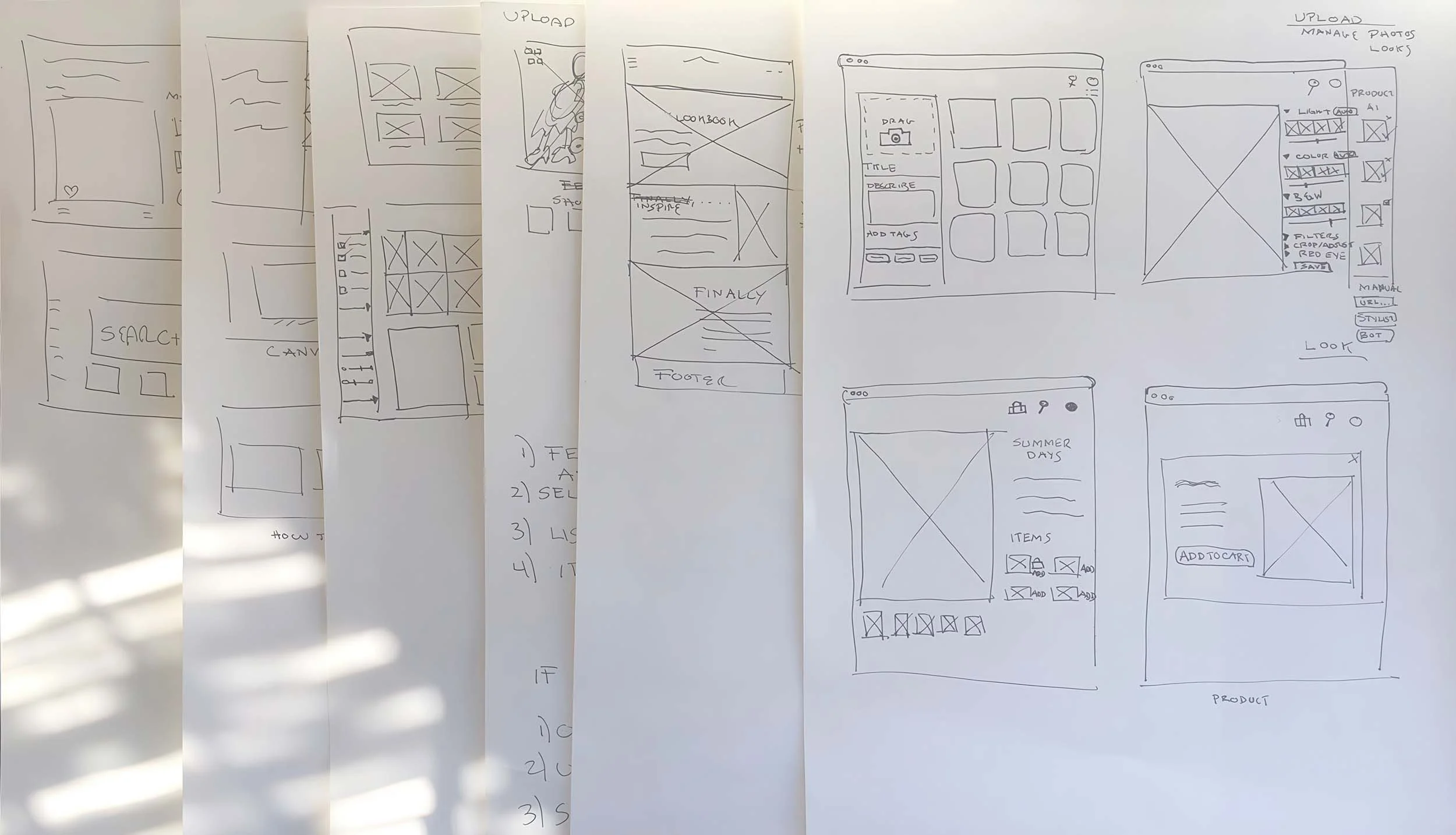
The concept moved through classic craft: paper sketches for the core flows, phone wireframes for structure, nineteen final screens — then the seven scene renders above, and finally a coded prototype.


The prototype
Built, not just drawn
I built Retailor as an interactive React/TypeScript prototype with Claude and deployed it on Vercel: a real mini-app with a navigation stack, a live cart, a working camera flow that "analyzes" a photo into results, AR color swaps, and a shoppable post composer. The AI is honestly simulated — staged responses, no production models — which is exactly what made it fast enough to test.
~2,900
lines in the interactive React prototype — nav stack, live cart, working camera flow
19
final design screens, distilled into seven scene renders
8
journey phases mapped, from discovery to the community loop
30+
changes shipped live during moderated usability sessions
A working app, not a click-through
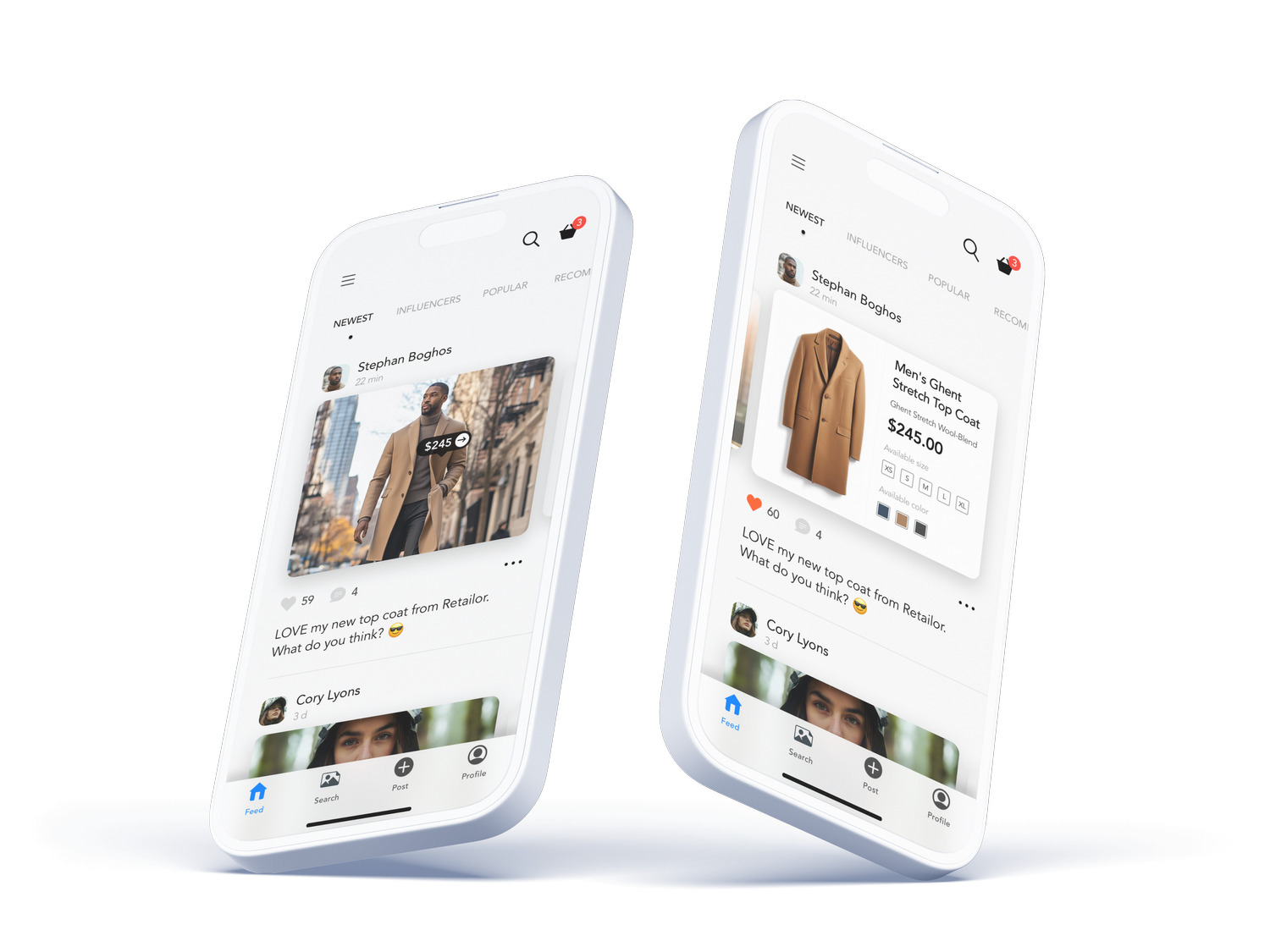
The prototype is real code — browse the feed, run an image search, try items on in AR, ask the AI stylist, and build a cart. The shoppable feed below is straight from the app.
Tested with real people, fixed in real time
Seven moderated usability sessions ran against the live prototype — with a twist: when a participant hit friction, the issue went to Claude Code mid-session and a fix deployed to Vercel in about thirty seconds, often before the session ended. Over thirty changes shipped this way, with session data logged to Supabase and outcomes tracked against the HEART framework.
What participants said
"Oh wow… it's amazing. More efficient than going to reviews."
The takeaway
Community, technology, and fashion converge
Retailor illustrates what integrating AI and social networking can do for retail: discovery that starts with a photo instead of a search box, community that keeps people coming back, and AR that gives them confidence to buy. Designed as a vision, then made concrete enough to put in people's hands.
Designed to move
What the concept aims at
Engagement. Social features that turn shopping into a community, not a transaction.
Discovery speed. RIS collapses the time between seeing something and finding it.
Purchase confidence. Mobile-first flows and AR try-on aimed squarely at conversion and returns.